


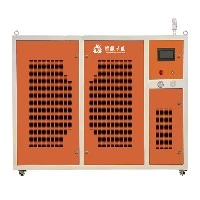
As a supplier of Liquid Cooled Tig Welders, I've had the privilege of delving deep into the intricacies of these remarkable machines. One of the most crucial components that often goes unnoticed but plays a pivotal role in the performance and longevity of a liquid cooled TIG welder is the coolant pump. In this blog, we'll explore the significance of the coolant pump and its role in ensuring the optimal operation of a liquid cooled TIG welder.
The Basics of Liquid Cooling in TIG Welding
TIG (Tungsten Inert Gas) welding is a precise and versatile welding process that requires a high level of control and stability. During the welding process, a significant amount of heat is generated at the welding arc. If this heat is not properly managed, it can lead to overheating of the welding torch, electrode, and other components, which can result in reduced welding quality, premature wear and tear, and even equipment failure.
Liquid cooling systems are designed to address this issue by circulating a coolant, typically water or a water-based coolant mixture, through the welding torch and other critical components. The coolant absorbs the heat generated during the welding process and transfers it away from the components, keeping them at a safe operating temperature.
The Role of the Coolant Pump
The coolant pump is the heart of the liquid cooling system in a TIG welder. Its primary function is to circulate the coolant through the system, ensuring a continuous flow of coolant to the components that need to be cooled. Here's a more detailed look at the key roles of the coolant pump:
1. Maintaining a Consistent Flow of Coolant
The coolant pump is responsible for maintaining a consistent flow of coolant through the system. This is essential for ensuring that the heat generated during the welding process is effectively transferred away from the components. A consistent flow of coolant helps to prevent hot spots and ensures that all components are cooled evenly.
2. Overcoming Resistance in the System
The coolant must flow through a series of pipes, hoses, and other components in the cooling system. These components create resistance to the flow of coolant, which can impede the circulation of the coolant. The coolant pump is designed to overcome this resistance and maintain a sufficient flow rate to ensure effective cooling.
3. Preventing Overheating
By circulating the coolant through the system, the coolant pump helps to prevent overheating of the welding torch, electrode, and other components. Overheating can cause the tungsten electrode to melt or become contaminated, which can affect the quality of the weld. It can also damage the welding torch and other components, leading to costly repairs or replacements.
4. Extending the Lifespan of the Welding Equipment
Proper cooling is essential for extending the lifespan of the welding equipment. By keeping the components at a safe operating temperature, the coolant pump helps to reduce wear and tear on the equipment, which can result in longer service life and lower maintenance costs.
Types of Coolant Pumps
There are several types of coolant pumps used in liquid cooled TIG welders, each with its own advantages and disadvantages. The most common types of coolant pumps include:
1. Centrifugal Pumps
Centrifugal pumps are the most widely used type of coolant pump in liquid cooled TIG welders. They work by using a rotating impeller to create a centrifugal force that moves the coolant through the system. Centrifugal pumps are known for their high flow rates and efficiency, making them ideal for applications where a large volume of coolant needs to be circulated.
2. Positive Displacement Pumps
Positive displacement pumps work by trapping a fixed amount of coolant and then forcing it through the system. These pumps are typically used in applications where a precise flow rate is required, such as in high-precision welding applications. Positive displacement pumps are known for their accuracy and reliability, but they are generally more expensive than centrifugal pumps.
3. Magnetic Drive Pumps
Magnetic drive pumps use a magnetic field to transfer power from the motor to the impeller, eliminating the need for a mechanical seal. This makes them ideal for applications where leakage of the coolant is a concern, such as in high-pressure or corrosive environments. Magnetic drive pumps are known for their reliability and low maintenance requirements.
Factors to Consider When Choosing a Coolant Pump
When choosing a coolant pump for a liquid cooled TIG welder, there are several factors to consider, including:
1. Flow Rate
The flow rate of the coolant pump is an important consideration, as it determines the amount of coolant that can be circulated through the system. The flow rate required will depend on the size and power of the welding machine, as well as the specific cooling requirements of the application.
2. Pressure
The pressure of the coolant pump is also an important consideration, as it determines the force with which the coolant is circulated through the system. The pressure required will depend on the length and diameter of the pipes and hoses in the cooling system, as well as the resistance created by the components in the system.
3. Compatibility
It's important to choose a coolant pump that is compatible with the coolant being used in the system. Different coolants have different properties, and some pumps may not be suitable for use with certain coolants. It's also important to ensure that the pump is compatible with the materials used in the cooling system, such as the pipes, hoses, and fittings.
4. Reliability
The reliability of the coolant pump is crucial, as it is responsible for maintaining the flow of coolant through the system. A reliable pump will help to ensure that the welding machine operates smoothly and efficiently, and will reduce the risk of downtime due to pump failure.
The Importance of Regular Maintenance
Regular maintenance of the coolant pump is essential for ensuring its optimal performance and longevity. Here are some key maintenance tasks that should be performed on a regular basis:
1. Checking the Coolant Level
The coolant level should be checked regularly to ensure that it is at the appropriate level. If the coolant level is low, it may indicate a leak in the system, which should be repaired immediately.
2. Cleaning the Pump
The pump should be cleaned regularly to remove any debris or contaminants that may have accumulated in the system. This will help to ensure that the pump operates smoothly and efficiently.
3. Inspecting the Hoses and Fittings
The hoses and fittings in the cooling system should be inspected regularly for signs of wear or damage. Any damaged hoses or fittings should be replaced immediately to prevent leaks.
4. Changing the Coolant
The coolant should be changed regularly to ensure that it is clean and free of contaminants. The frequency of coolant changes will depend on the type of coolant being used and the operating conditions of the welding machine.
Conclusion
In conclusion, the coolant pump plays a crucial role in the performance and longevity of a liquid cooled TIG welder. By circulating the coolant through the system, the coolant pump helps to prevent overheating, extend the lifespan of the welding equipment, and ensure the quality of the weld. When choosing a coolant pump, it's important to consider factors such as flow rate, pressure, compatibility, and reliability. Regular maintenance of the coolant pump is also essential for ensuring its optimal performance and longevity.
If you're in the market for a Liquid Cooled Tig Welder or Welding Coolers, or if you have any questions about the role of the coolant pump in a liquid cooled TIG welder, please don't hesitate to contact us. We're here to help you find the right solution for your welding needs.


References
- AWS Welding Handbook, Volume 1: Welding Science and Technology, American Welding Society
- Miller Electric Mfg. Co., "Understanding Liquid Cooling for TIG Welders"
- Lincoln Electric, "Cooling Systems for Welding Equipment"