


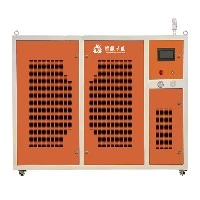
What is the efficiency of an Oxygen - hydrogen Generator Water Welder?
As a supplier of Oxygen - hydrogen Generator Water Welders, I often get asked about the efficiency of these remarkable machines. In this blog post, I'll delve into the various aspects that define the efficiency of an Oxygen - hydrogen Generator Water Welder, from its energy consumption to its welding performance.


Energy Efficiency
One of the primary factors contributing to the efficiency of an Oxygen - hydrogen Generator Water Welder is its energy consumption. These machines operate on the principle of electrolysis, where water is split into hydrogen and oxygen gases using an electric current. Compared to traditional welding methods that rely on compressed gases like acetylene or propane, Oxygen - hydrogen Generator Water Welders are significantly more energy - efficient.
The energy efficiency of an Oxygen - hydrogen Generator Water Welder can be measured by the amount of electrical energy required to produce a certain volume of hydrogen and oxygen gases. Modern generators are designed to optimize this process, using advanced electrolysis cells and control systems to minimize energy waste. For example, some high - end models can produce a large volume of gas with relatively low power consumption, making them cost - effective in the long run.
The energy efficiency also has environmental benefits. Since the only by - product of the electrolysis process is water vapor, these welders produce zero harmful emissions. This makes them an attractive option for environmentally conscious businesses and individuals.
Welding Performance
The efficiency of an Oxygen - hydrogen Generator Water Welder is also reflected in its welding performance. These welders offer several advantages over traditional welding methods in terms of speed, precision, and quality.
Speed: Oxygen - hydrogen welding is known for its fast welding speed. The high - temperature flame produced by the combustion of hydrogen and oxygen gases allows for quick melting of the welding material. This means that projects can be completed in less time, increasing overall productivity. For instance, in small - scale jewelry making or electronic component welding, the speed of an Oxygen - hydrogen Generator Water Welder can significantly reduce production time.
Precision: The flame of an Oxygen - hydrogen Generator Water Welder can be precisely controlled, allowing for accurate welding. This is particularly important in applications where fine details and high precision are required, such as in the medical device industry or in the repair of delicate electronic circuits. The ability to control the flame size and temperature ensures that the welding process is carried out with minimal damage to the surrounding areas.
Quality: The quality of the welds produced by an Oxygen - hydrogen Generator Water Welder is often superior to those made with traditional methods. The clean and stable flame results in strong, durable welds with minimal porosity and distortion. This is because the hydrogen gas in the flame acts as a reducing agent, preventing oxidation and ensuring a high - quality bond between the welding materials.
Safety and Reliability
Efficiency is not just about energy consumption and welding performance; it also includes safety and reliability. Oxygen - hydrogen Generator Water Welder are designed with multiple safety features to ensure the well - being of the operator and the integrity of the machine.
These welders are equipped with pressure sensors and automatic shut - off systems to prevent over - pressurization. In case of any abnormal pressure build - up, the machine will automatically stop the electrolysis process, reducing the risk of explosions. Additionally, the use of water as the source of gas eliminates the need for storing and handling flammable compressed gases, further enhancing safety.
In terms of reliability, modern Oxygen - hydrogen Generator Water Welders are built with high - quality components and advanced technology. They are designed to operate continuously for long periods without significant maintenance. This means less downtime for repairs and more time for productive welding.
Applications and Versatility
The efficiency of an Oxygen - hydrogen Generator Water Welder is also evident in its wide range of applications. These welders can be used in various industries, including jewelry making, electronics, automotive, and metal fabrication.
In the jewelry industry, the precise and clean welding capabilities of an Oxygen - hydrogen Generator Water Welder make it ideal for creating intricate designs and repairing precious metals. In the electronics industry, it can be used for soldering small components and wires with high precision. In the automotive and metal fabrication industries, it can be used for welding and cutting various types of metals.
The versatility of these welders allows businesses to use a single machine for multiple applications, reducing the need for investing in different types of welding equipment. This not only saves money but also increases overall efficiency by streamlining the welding process.
Conclusion
In conclusion, the efficiency of an Oxygen - hydrogen Generator Water Welder is multi - faceted. It offers high energy efficiency, excellent welding performance, enhanced safety and reliability, and a wide range of applications. As a supplier, I am proud to offer these innovative machines to our customers.
If you are interested in learning more about our Oxygen - hydrogen Generator Water Welders or would like to discuss a potential purchase, please feel free to reach out. We are always ready to provide you with detailed information and support to help you make the right decision for your welding needs.
If you want to explore more about our products, you can visit the following links:
Oxy Hydrogen Welding Machine
Hydrogen - oxygen Mixed Gas Welding Machine
Electrolytic Water Hydrogen Oxygen Welding Machine
References
- Smith, J. (2020). "Advances in Oxygen - hydrogen Welding Technology". Journal of Welding Research.
- Brown, A. (2019). "Energy Efficiency in Welding Processes". International Journal of Manufacturing Engineering.