


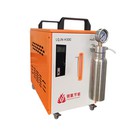


Hey there! As a supplier of Oxygen - hydrogen Generator Water Welders, I've seen firsthand the importance of high - quality welding. In this blog, I'm gonna share some tips on how to improve the welding quality of an Oxygen - hydrogen Generator Water Welder.
Understanding the Basics of Oxygen - hydrogen Generator Water Welders
Before we dive into the tips, let's quickly go over what an Oxygen - hydrogen Generator Water Welder is. These machines generate hydrogen and oxygen gases from water through electrolysis. The produced gases are then used for welding. They're pretty cool because they're eco - friendly and can offer a clean and efficient welding process.
One of the great things about these welders is that they can be used in a variety of applications, from small - scale DIY projects to industrial welding jobs. You can check out our High Efficiency Hydrogen - oxygen Welding Machine for more details on the efficiency and performance of these types of machines.
Tips to Improve Welding Quality
1. Proper Machine Setup
The first step in improving welding quality is to set up your Oxygen - hydrogen Generator Water Welder correctly. Make sure the machine is placed on a stable surface. An unstable surface can cause vibrations during welding, which can lead to uneven welds.
Also, check the water level in the generator regularly. The water is the source of hydrogen and oxygen, so maintaining the right water level is crucial. If the water level is too low, the machine may not generate enough gas, resulting in weak welds. On the other hand, if the water level is too high, it can cause water to enter the gas lines, which can also affect the welding quality.


2. Gas Flow and Pressure Adjustment
Controlling the gas flow and pressure is essential for good welding quality. The right gas flow ensures that there's enough hydrogen and oxygen for a proper combustion during welding. If the gas flow is too low, the weld may not be hot enough to melt the metal properly. If it's too high, it can cause excessive splatter and uneven welds.
Most Oxygen - hydrogen Generator Water Welders come with adjustable gas flow and pressure settings. Take the time to experiment and find the optimal settings for the type of metal you're welding. For example, thicker metals may require a higher gas flow and pressure compared to thinner ones. Our Oxy Hydrogen Welding Machine has user - friendly controls that make it easy to adjust these settings.
3. Electrode Selection and Preparation
The type of electrode you use can have a big impact on the welding quality. Different electrodes are designed for different types of metals and welding applications. Make sure to choose an electrode that's suitable for the metal you're working with.
Before using the electrode, clean it thoroughly to remove any dirt, rust, or oxides. A dirty electrode can cause poor arc stability and result in a weak weld. You can use a wire brush or sandpaper to clean the electrode.
4. Welding Technique
Your welding technique plays a significant role in the quality of the weld. When welding, maintain a consistent speed and angle. Moving too fast can result in a thin and weak weld, while moving too slow can cause excessive heat and distortion.
The angle of the electrode also matters. A proper electrode angle helps to control the direction of the arc and the flow of the molten metal. For most welding applications, an angle of around 45 degrees is a good starting point, but you may need to adjust it depending on the specific situation.
5. Metal Preparation
Preparing the metal before welding is crucial. Clean the metal surface to remove any dirt, grease, paint, or rust. You can use a degreaser and a wire brush to clean the surface. A clean metal surface ensures better adhesion between the weld and the base metal.
If the metal has any sharp edges or corners, you may want to chamfer or bevel them. This helps to create a better joint and reduces the risk of cracking during welding.
6. Post - Welding Care
After welding, it's important to take proper care of the weld. Let the weld cool down slowly. Rapid cooling can cause stress and cracking in the weld. You can cover the weld with an insulating material to slow down the cooling process.
Inspect the weld for any defects, such as cracks, porosity, or unevenness. If you find any defects, you may need to re - weld or repair the area.
The Benefits of Using an Oxygen - hydrogen Generator Water Welder
Using an Oxygen - hydrogen Generator Water Welder offers several benefits. First of all, it's eco - friendly. Since the gases are generated from water, there are no harmful emissions during the welding process. This makes it a great choice for environmentally - conscious users.
Secondly, these welders are cost - effective. They use water as a fuel source, which is much cheaper compared to traditional welding gases. Over time, this can result in significant cost savings.
Our Eco Friendly Hydrogen - oxygen Welding Machine is designed to take advantage of these benefits and provide a high - quality welding solution.
Conclusion
Improving the welding quality of an Oxygen - hydrogen Generator Water Welder requires attention to detail in machine setup, gas flow control, electrode selection, welding technique, metal preparation, and post - welding care. By following these tips, you can achieve better welds and increase the efficiency of your welding projects.
If you're interested in purchasing an Oxygen - hydrogen Generator Water Welder or have any questions about improving welding quality, feel free to reach out for a procurement discussion. We're here to help you get the best welding solution for your needs.
References
- Welding Handbook, American Welding Society
- Principles of Welding, various industry publications