


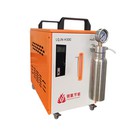
Customizing an electrolysis water machine can be a rewarding endeavor, allowing you to tailor the machine to your specific needs. As a supplier of electrolysis water machines, I am here to guide you through the process, sharing valuable insights and practical tips.
Understanding the Basics of Electrolysis Water Machines
Before delving into customization, it's essential to understand how electrolysis water machines work. These machines use an electric current to split water molecules into hydrogen and oxygen gases through a process called electrolysis. The resulting gases, often referred to as oxyhydrogen or Brown's gas, have various applications, including welding, cutting, and energy production.
Assessing Your Requirements
The first step in customizing an electrolysis water machine is to assess your requirements. Consider the following factors:
- Application: Determine the primary use of the machine. Are you using it for industrial welding, home DIY projects, or scientific experiments? Different applications may require different specifications.
- Gas Output: Calculate the amount of hydrogen and oxygen gas you need per hour. This will depend on the scale of your operations and the intensity of the tasks you plan to perform.
- Safety: Safety is paramount when working with hydrogen and oxygen gases. Ensure that the machine meets all relevant safety standards and regulations.
Selecting the Right Components
Once you have a clear understanding of your requirements, it's time to select the right components for your customized electrolysis water machine. Here are some key components to consider:
- Electrolyzer: The electrolyzer is the heart of the machine, responsible for splitting water into hydrogen and oxygen. Choose an electrolyzer that is efficient, durable, and capable of producing the desired gas output.
- Power Supply: A stable and reliable power supply is essential for the proper functioning of the electrolysis water machine. Select a power supply that can provide the required voltage and current.
- Gas Storage and Delivery System: Depending on your application, you may need a gas storage and delivery system to store and transport the generated gases. Consider factors such as storage capacity, pressure rating, and safety features.
- Control System: A control system allows you to monitor and adjust the operation of the electrolysis water machine. Look for a control system that is user-friendly and offers features such as temperature control, gas flow regulation, and safety shutdown.
Customizing the Design
In addition to selecting the right components, you may also want to customize the design of the electrolysis water machine to suit your specific needs. Here are some design considerations:
- Size and Portability: If you need to move the machine from one location to another, consider a compact and portable design. On the other hand, if the machine will be used in a fixed location, you may have more flexibility in terms of size.
- Material Selection: Choose materials that are corrosion-resistant and can withstand the harsh conditions of electrolysis. Common materials used in electrolysis water machines include stainless steel, titanium, and PVC.
- Aesthetics: While aesthetics may not be the most important factor, a well-designed machine can enhance the overall user experience. Consider the color, finish, and overall appearance of the machine.
Building and Testing the Machine
Once you have selected the components and customized the design, it's time to build the electrolysis water machine. Follow the manufacturer's instructions carefully and ensure that all components are properly installed and connected.
After building the machine, it's important to test it thoroughly to ensure that it is functioning properly. Conduct a series of tests to check the gas output, pressure, and temperature. Make any necessary adjustments to the machine to optimize its performance.
Maintenance and Troubleshooting
Regular maintenance is essential to keep your electrolysis water machine in good working condition. Follow the manufacturer's maintenance schedule and perform routine tasks such as cleaning the electrodes, checking the water level, and inspecting the hoses and connections.


In the event of a problem, it's important to troubleshoot the issue promptly. Refer to the user manual or contact the manufacturer for assistance. Common problems with electrolysis water machines include leaks, low gas output, and electrical issues.
Applications of Customized Electrolysis Water Machines
Customized electrolysis water machines have a wide range of applications across various industries. Here are some examples:
- Welding and Cutting: Oxyhydrogen gas produced by electrolysis water machines can be used for welding and cutting metals. It offers several advantages over traditional welding methods, including higher efficiency, lower costs, and reduced environmental impact. You can learn more about Oxyhydrogen Generator for this purpose.
- Energy Production: Hydrogen gas produced by electrolysis water machines can be used as a clean and renewable energy source. It can be used to power fuel cells, which convert hydrogen into electricity.
- Water Treatment: Electrolysis water machines can be used to treat water by removing impurities and contaminants. The generated oxygen gas can also be used to improve water quality and reduce the growth of bacteria and algae.
- Scientific Research: Electrolysis water machines are widely used in scientific research to study the properties of hydrogen and oxygen gases. They can also be used to conduct experiments in fields such as chemistry, physics, and biology.
Contact Us for Customization and Procurement
If you are interested in customizing an electrolysis water machine or have any questions about our products, please feel free to contact us. Our team of experts is ready to assist you in selecting the right components, customizing the design, and ensuring that your machine meets your specific requirements.
We also offer a range of pre-designed electrolysis water machines, including Immediate Use Oxyhydrogen Welder and Oxygen-hydrogen Generator Water Welder. These machines are designed to provide reliable and efficient performance for a variety of applications.
References
- Smith, J. (2020). Electrolysis Water Machines: Principles and Applications. New York: ABC Publishing.
- Johnson, M. (2019). Customizing Electrolysis Water Machines for Industrial Use. Journal of Industrial Engineering, 25(3), 123-135.
- Brown, R. (2018). The Future of Electrolysis Water Machines. Energy Research, 15(2), 45-56.